/>
OsmO call records and transcripts

Robocall Statistics 2026: How Bad Is the Spam Call Problem?

By OsmO AI Team |

If your phone has buzzed with a suspicious call today, you are far from alone. Spam calls have grown from a minor annoyance into a global crisis that costs consumers billions of dollars every year and erodes trust in the phone network itself. Despite government crackdowns, carrier-level filters, and national do-not-call registries, the volume of unwanted calls continues to climb. In this article we break down the latest robocall statistics, examine which countries bear the heaviest burden, and explore why artificial intelligence may be one solution that can keep pace with the problem.

The Numbers: Robocalls by the Data

Industry estimates suggest that Americans received roughly 55 billion robocalls in 2025, continuing an upward trend that has persisted for over a decade. Extrapolating current growth rates, analysts project the figure could approach 60 billion in 2026. That translates to approximately 160 million spam calls every single day in the United States alone.

On an individual level, recent reports indicate the average American receives between 14 and 18 spam calls per month, though users in certain area codes report even higher volumes. Globally, the picture is starker still. Worldwide robocall volume is estimated to exceed 180 billion calls per year, with VoIP technology making it cheaper than ever for bad actors to dial thousands of numbers per minute from anywhere on the planet.

Perhaps the most troubling data point is the answer rate. According to recent reports, roughly 1 in 3 Americans answer calls from unknown numbers, and scammers need only a small percentage of those pickups to turn a profit. Even if fewer than 1% of recipients fall for a scam pitch, the sheer scale of the operation makes it enormously lucrative.

Which Countries Are Hit Hardest?

The United States consistently tops the list in absolute robocall volume, owing to its large population and the widespread availability of cheap VoIP infrastructure. But it is by no means alone. India ranks as one of the most heavily targeted nations, with industry data suggesting that Indian mobile users receive an average of 16 to 25 spam calls per month, many of them automated telemarketing pitches.

The United Kingdom has seen a sharp increase in scam calls over the past three years, particularly calls impersonating government agencies such as HMRC. Meanwhile, Brazil faces a unique challenge: its regulatory framework has struggled to keep up with the rapid digitization of telecommunications, and Brazilian consumers regularly report receiving dozens of unwanted calls per week. Other countries experiencing significant spam call growth include Canada, Australia, Germany, and several Southeast Asian nations.

Types of Spam Calls

Not every unwanted call is the same. Understanding the categories helps explain why no single filter catches them all:

The Financial Impact of Phone Scams

The monetary damage is staggering. According to recent reports, Americans lost an estimated $40 billion to phone scams in 2025, a figure that encompasses direct financial theft as well as the downstream costs of identity fraud that begins with a phone call. The median individual loss for victims who engage with a scam call is estimated at around $500, though high-value scams targeting seniors can reach tens of thousands of dollars. For the specific scripts that drive those losses — and the order of operations if you have already answered — see how to stop scam calls in 2026.

Globally, phone-based fraud is estimated to generate over $70 billion in losses annually. Beyond the direct financial toll, there is an enormous hidden cost: lost productivity. Industry research suggests that unwanted calls cost businesses an estimated $20 billion per year in wasted employee time, with the average worker spending several minutes each week dealing with spam calls during work hours.

Why Traditional Solutions Aren't Working

The United States Do Not Call (DNC) Registry, established over two decades ago, was designed for a world where telemarketers operated from identifiable call centers and respected opt-out requests. Legitimate businesses generally comply, but criminal operations ignore the list entirely. The registry has limited enforcement power against overseas call centers, which now originate the majority of illegal robocalls.

Carrier-level solutions like STIR/SHAKEN, a caller-ID authentication framework mandated by the FCC, have made progress against basic spoofing. However, scammers have adapted by routing calls through legitimate-looking gateways or by switching to calls that technically pass authentication checks. The result is a never-ending game of whack-a-mole: regulators block one batch of numbers, and the same operation spins up thousands of new ones within hours.

Blocklist-based apps face a similar limitation. They can only flag numbers that have already been reported, meaning every new spoofed number gets at least one free pass before it lands on a list. For consumers, the experience remains frustrating: the phone rings, the caller ID looks plausible, and there is no way to know whether the call is legitimate without answering it.

How AI Is Turning the Tide

The fundamental weakness of traditional defenses is that they are reactive. They depend on databases of known bad numbers, static rules, or user-reported complaints. AI-powered call screening takes a fundamentally different approach: instead of checking a number against a list, it answers the call and evaluates the caller's intent in real time.

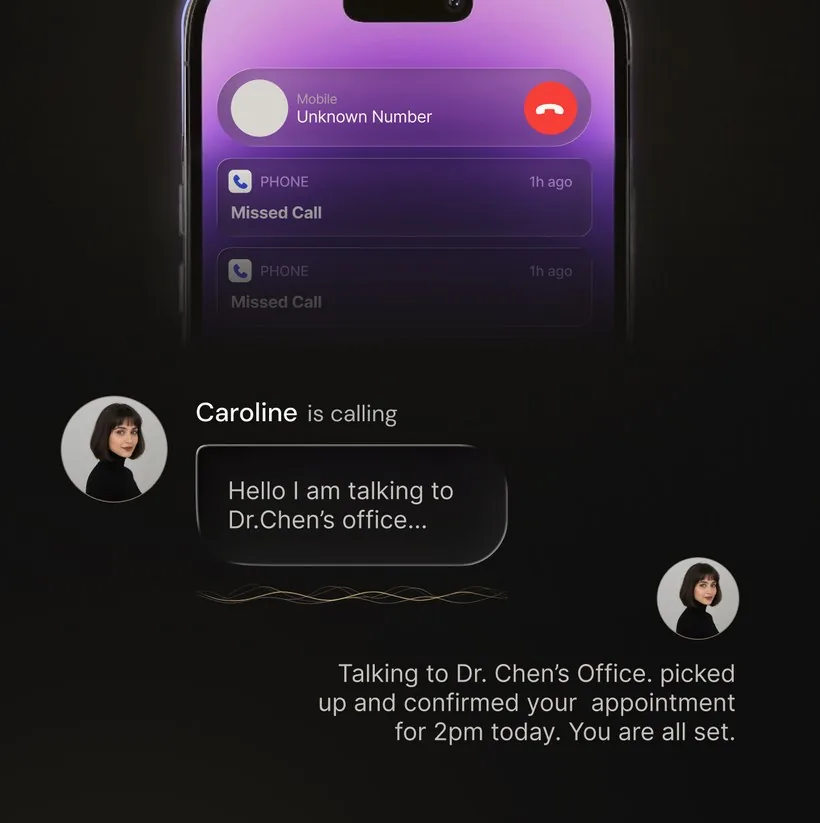
Modern AI call assistants can pick up an incoming call, engage the caller in a natural conversation, and determine within seconds whether the person on the other end is a legitimate contact, a telemarketer, or a scammer. This works even for brand-new, never-before-seen numbers, because the AI evaluates behavior and speech patterns rather than relying on historical data. Legitimate callers are connected to you seamlessly, while spam and scam calls are filtered out before your phone ever rings.

This approach addresses the root problem: you should not have to decide whether a call is worth answering. The AI handles that decision for you, reclaiming the time and peace of mind that robocalls have stolen from billions of people worldwide.

Frequently Asked Questions

How much do robocalls cost?

Robocalls cost almost nothing to send — internet calling lets scammers dial thousands of numbers for a few cents total, which is exactly why the volume is so high. The real cost lands on victims: phone scams drain $40 billion from US consumers every year through fraud and wasted time.

How many robocalls do Americans get?

Industry estimates put US robocall volume at roughly 55 billion calls in 2025, or about 160 million spam calls every day. On an individual level, the average American receives between 14 and 18 spam calls per month, with some area codes reporting even more.

Why do spam calls keep rising despite the Do Not Call list?

The Do Not Call Registry only works against legitimate businesses that respect opt-out requests; criminal operations ignore it entirely and run from overseas call centers regulators cannot easily reach. Blocklists face the same gap, since they only catch numbers already reported — every new spoofed number gets at least one free pass.

Take Back Control of Your Phone

OsmO uses AI to screen unknown calls so you can reduce spam, scams, and robocall interruptions. Try it free.

Google Play App Store

Related Articles

Related reading: What is an AI phone assistant? · AI receptionist app · How to stop scam calls in 2026 · Stop spam calls on iPhone · Why am I getting so many spam calls? · Stop spam calls on Android